Political organization
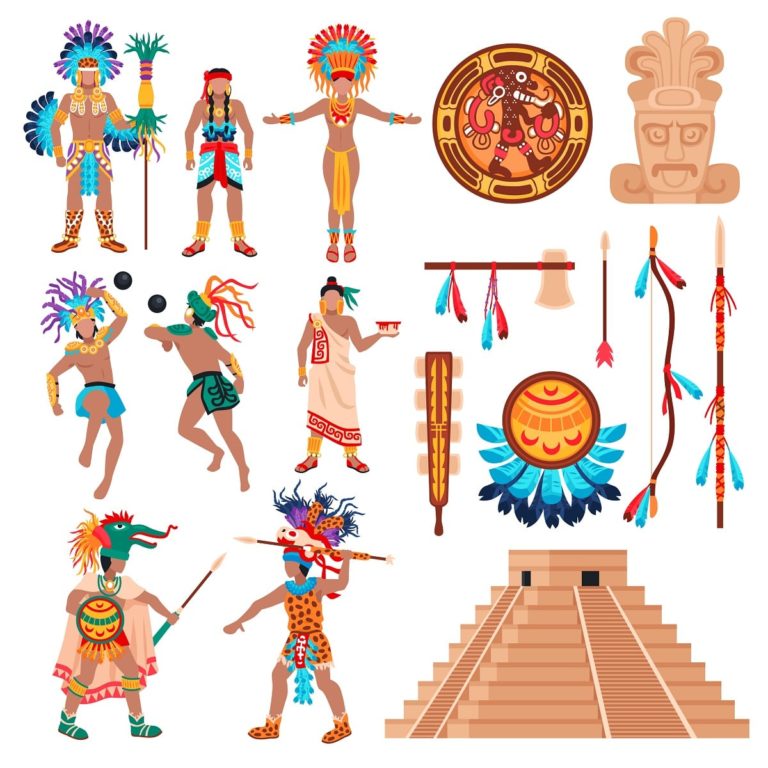
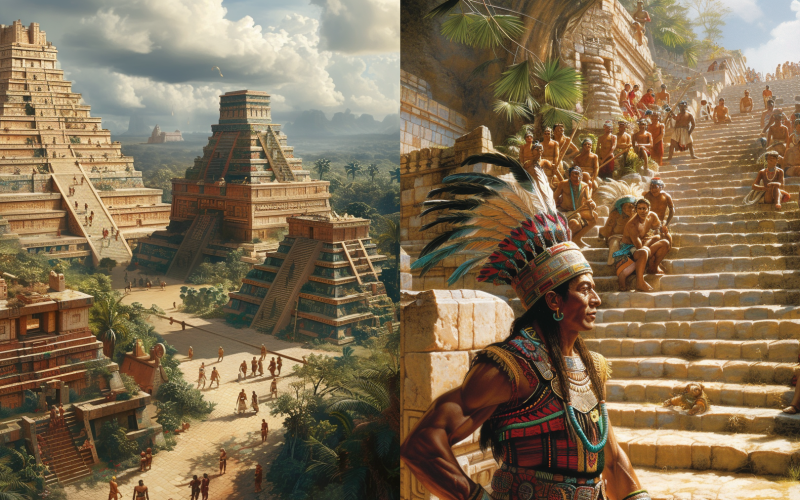
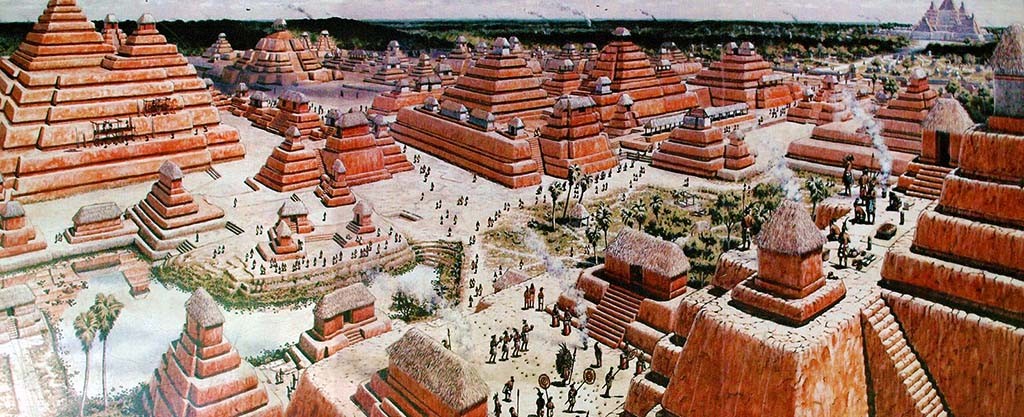
The political organization of the Maya consisted of a small kingdom governed by a king called K’uhul Uinic. These kingdoms were made up of cities with the value of political capital to which nearby villages and smaller cities were annexed, constituting a City-State. There were also larger kingdoms that controlled large territories that included smaller kingdoms that had been subjugated.
City-state
Each kingdom had its own name which did not necessarily correspond to all the locations included in its territory. Its identity essentially consisted of a political unit associated with a dynasty of rulers. Some scholars maintain that the Mayan cities were not real urban centers but conglomerates structured and conceived as enormous royal estates, that is, the place of the administrative and ritual activities of the court. According to this theoretical model, the Mayan centers were the scene where the privileged noble classes could exercise sacred roles, where the aesthetic values of high culture were formulated and disseminated and where rites and ceremonies took place. Maya cities were self-determining centers and origins of social, moral, and cosmic order.
Political structure
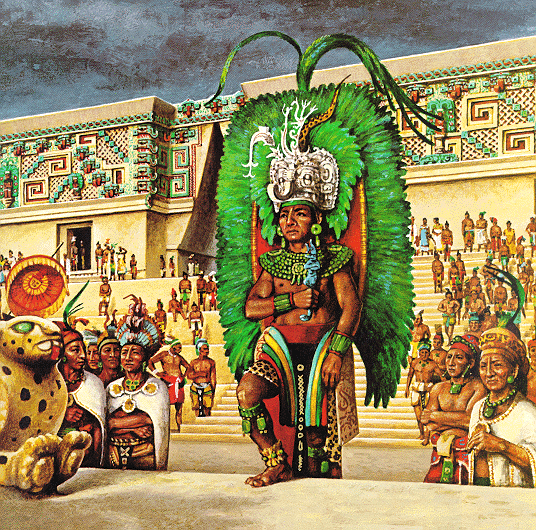
- The Uinic Halach: The main political authority of a city state was the uinic halach, whose functions included, in addition to the political aspect, judicial, military and religious aspects. The symbol of his superior power was his dummy scepter, which had the figure of K’awiil, the god of life. He resided in the capital and appointed officials who would help him run the government, such as:
- The Ah Holpop: political-religious delegates of the Uinic Halach. They prepared the great ceremonies and sacred festivals dedicated to the gods.
- The Nacom: was the principal military leader of a city-state, a great warrior and leader.
- El Ahuacán: He was the high priest. He kept calendars, sacred books and education. He also conducted sacrifices and rites dedicated to the gods.
- The Tupiles: they were the guardians of public order and enforced the law.
- The Bataboobs: they were the governors of the smaller cities. They were appointed by the Halach Uinic to administer their localities, administer justice, and supervise the collection of taxes.
- The Ah Cuch Caboob: they were the leaders of the numerous neighborhoods that surrounded the cities. They had the task of organizing work and collecting taxes from citizens to deliver them to their superiors.
Power management
The management of power among the Maya was a highly complex matter, characterized by political intrigues aimed at obtaining an economic and social advantage. In the late classical period, some cities established a long period of domination over other cities, in other cases networks of free alliances were formed around an important urban nucleus. The dominant cities demanded tribute in the form of luxury goods from the centers subjected to them; Mayan political power was strengthened thanks to military predominance and the capture and humiliation of defeated warriors. It is believed that a strong sense of pride and honor among the warrior aristocracy would have led to feuds and extensive revenge, so much so as to have caused political instability and the fragmentation of the various institutions of power.