The origins of the Maya
Archaeological research and the deciphering of numerous hieroglyphic texts have allowed us to have an extraordinarily detailed picture of the society and history of the Maya. In the past, these were considered a peaceful population of farmers dispersed in the fields around large ceremonial centers and led by religious elites, essentially dedicated to worship and astronomical-mathematical speculation.
For archaeologists, the history of the Mayan civilization began around 2000 BC. and is marked by three fundamental periods: preclassic, classic e postclassical.
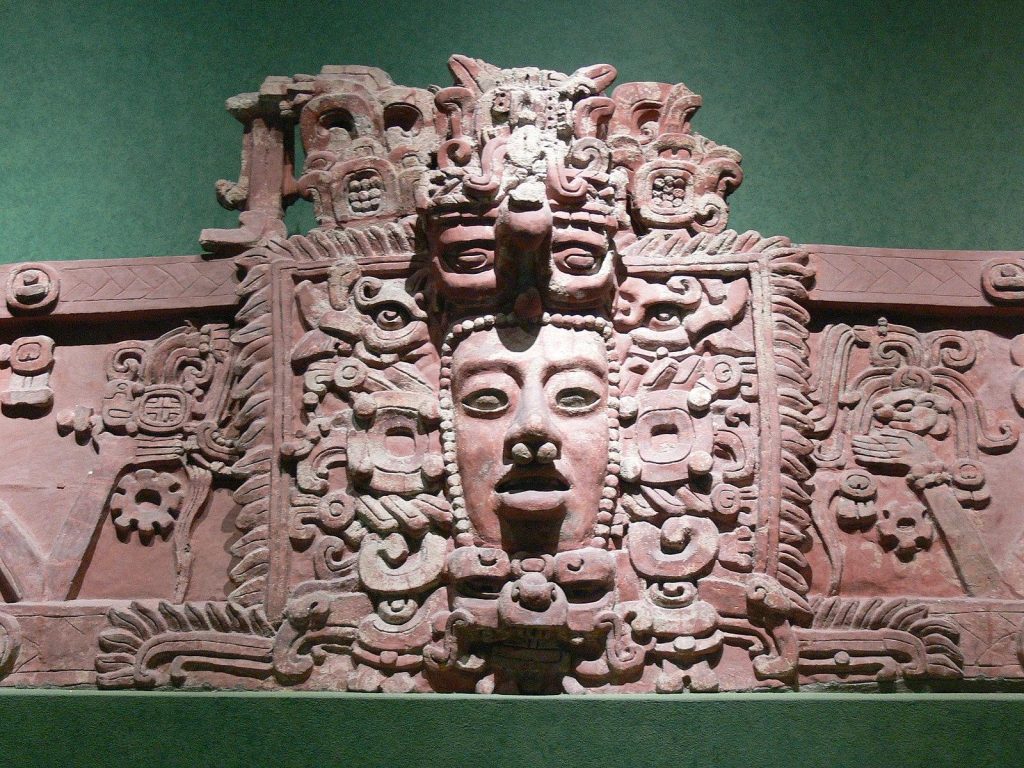
preclassic period 2000 BC-250 AD
This is the historical period in which the development of the Mayan civilization began. During this period, the Maya built the first communities and dedicated themselves to the cultivation of: corn, beans, pumpkins and chili peppers. The first Mayan cities developed between 750 and 500 BC. and boasted monumental architecture, such as large temples embellished with elaborate stucco facades. Hieroglyphic writing was used starting from the 3rd century BC.
classical period 250 – 900 AD
The beginning of the classical period, which occurred around 250 AD, coincides with the advent of the construction of monuments. The Maya developed a city-based civilization centered on intensive agriculture consisting of numerous independent city-states. During the classical period the Mayan civilization reached its maximum splendor.
postclassic period 900-1539 AD
This period was characterized by a series of changes that distinguished the new cities from those of the previous classical period. The Maya underwent a serious political collapse, marked by the abandonment of the cities, the end of the dynasties and a northward shift of their activities. This decline was accompanied by a cessation of monument inscriptions and large constructions.
The Spanish conquest
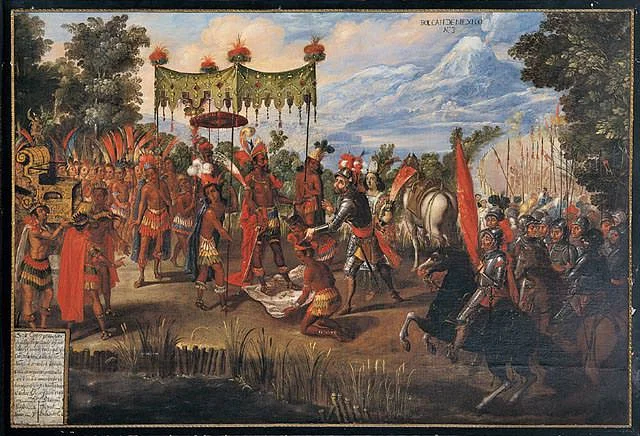
In 1517 the Spanish arrived in Yucatán but the natives resisted. In 1542 the Spanish reconquered a large part of the country, founding the capital Merida. In 1951, traveling along the coast, they occupied the sixteen states in which the Mayan civilization had broken up. The aim of the Spaniards was:
- get rich by plundering the treasures of temples and pyramids
- exploit the inhabitants in mines and plantations.
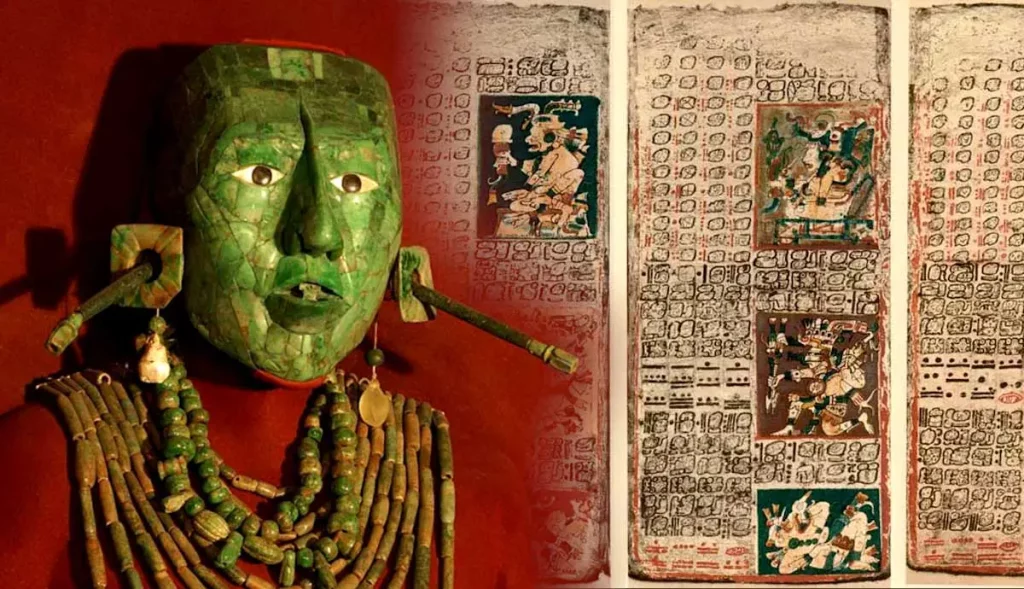
The presence of the Spanish implements an action of forced religious conversion; the Franciscan Diego de Landa burned all the Mayan sacred books in 1562, considering them diabolical. In this way, a precious source of historical information on a Mesoamerican civilization that remains among the most mysterious has been lost.