The development of the Mayans
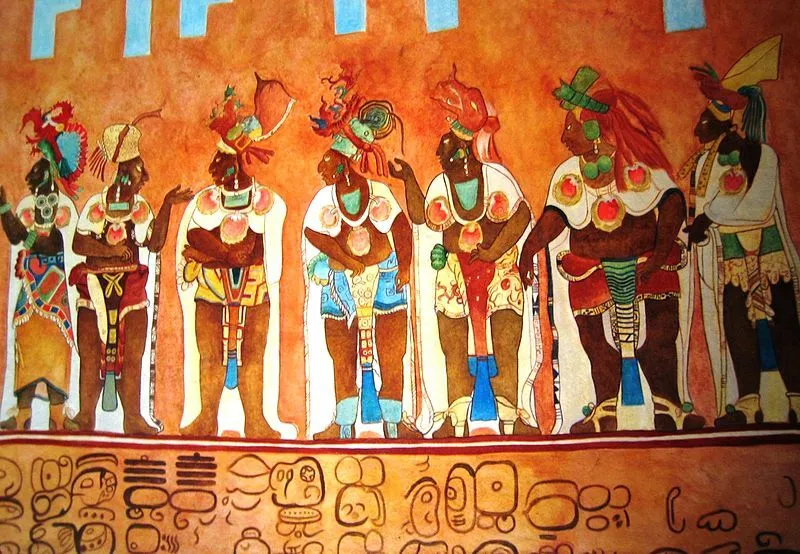
The Mayan civilization experienced a prosperous period of wealth and magnificence between 300 and 900 AD. C. In the period of maximum splendor of civilization, at least sixty large cities flourished, inhabited on average by 60-70 thousand people and in Tikal, one of the most important centers, more than 3000 buildings were built, including pyramids and palaces. At that time, the Mayan people lived among such majestic buildings, plazas and palaces, discussing philosophy and using an elaborate solar calendar.
The great discoveries of the Maya, such as mathematics and writing, were based on a religious basis. In the years to come, however, this great civilization began to abandon the flourishing cities and shortly thereafter began the phase of decline that lasted at least two centuries.
The decline of the Maya
Why did the Mayan civilization end?
There is not a single explanation for the collapse of Mayan society: there are around 80 theories that explain the event. There are many hypotheses: from climate change, to invasions, to epidemics to the mismanagement of the population by the Mayan rulers, although the theory of “climate change” has gained popularity in recent years.
Theories of decline
Invasions and Conquests: One theory holds that the Toltecs, spiritual ancestors of the Aztecs, were an aggressive people towards the Maya and, due to repeated attacks and a large-scale invasion, the Maya society was wiped out in less than a century.
Peasant revolts, revolutions or social unrest: According to a theory supported by J. E. S. Thompson, the collapse of the Maya was determined by the revolt of the poorer social classes who provided the labor. According to this theory, as living conditions became more difficult, the exasperating workload led to a sort of revolt against the priest-rulers. This hypothesis also explains the presence of buildings and ceremonial centers that were never completed.
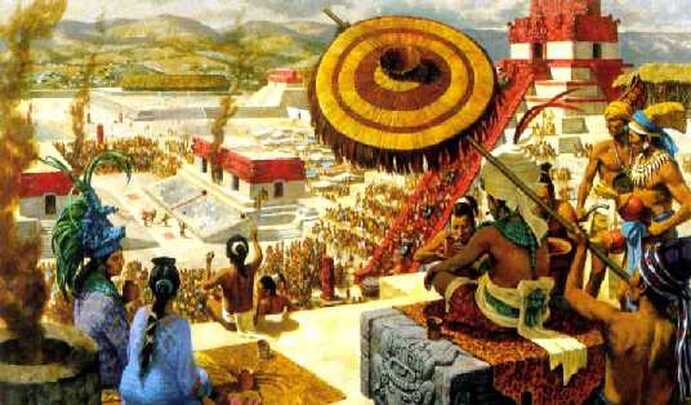
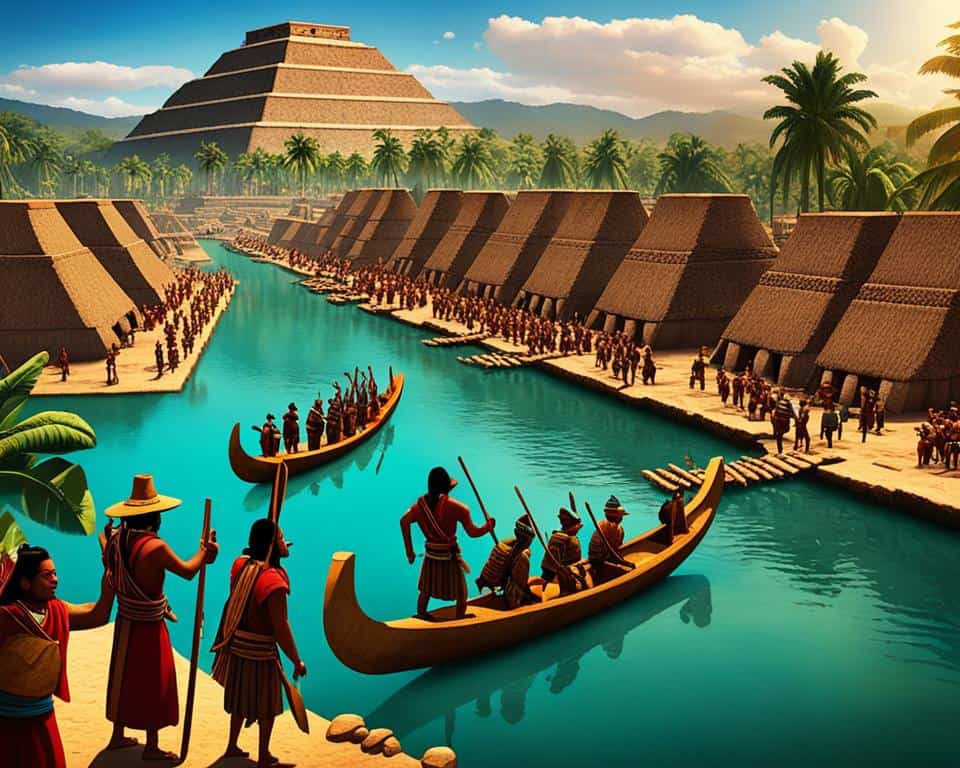
Contraction of trade: It has been hypothesized that the collapse of the Mayan civilization was caused by a worsening of trade. It is likely that the contraction of trade led to the failure of the entire agricultural economy, thus with the effect of the Mayan collapse rather than the cause.
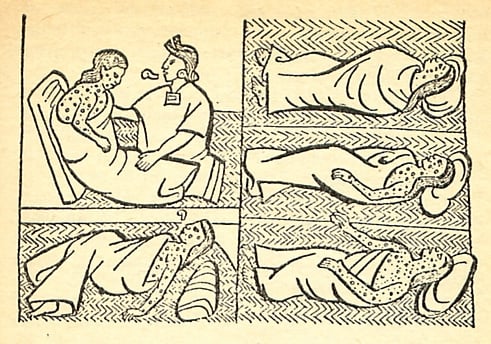
Epidemic diseases: A disease that spreads rapidly through the population could explain the rapid depopulation of inhabited centers, both in the case of fatal pathologies and in the case of illnesses. According to this theory, the development of the Mayan civilization would have produced changes in the environment (agriculture, settlements) favorable to the reproduction of parasites and insect vectors of diseases.
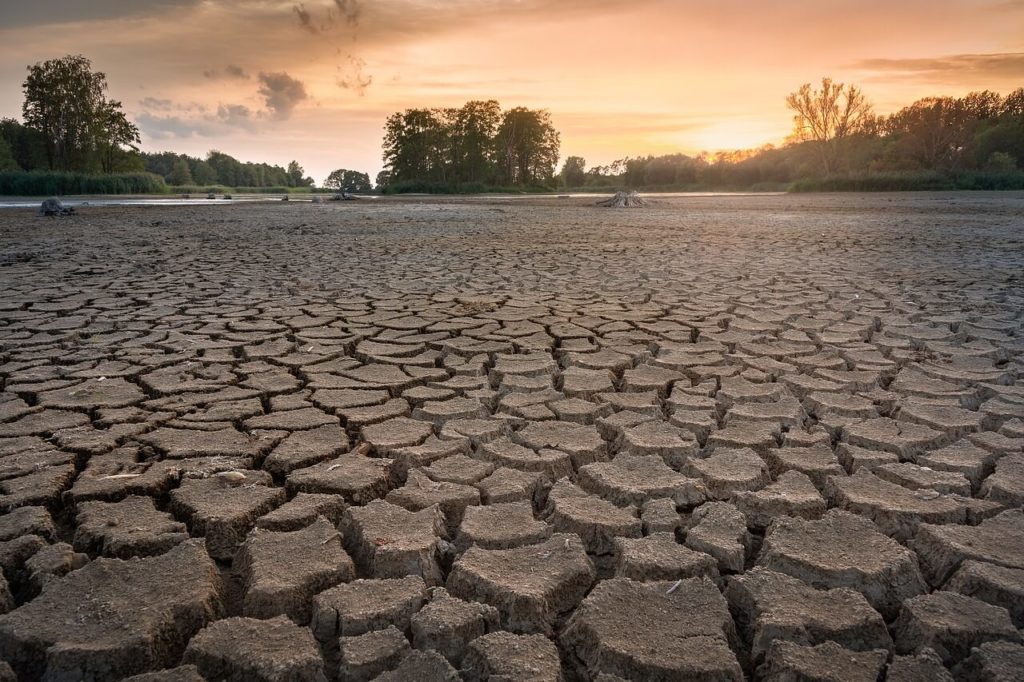
Drought: The drought theory holds that rapid climate change led to the collapse of the Classic Maya. Paleoclimatologists, scientists who study the climate of the past, and geologists have discovered that for a period of 150 years there was a great drought, punctuated by wetter periods. The drought has caused a decline in agricultural activity due to the drying up of surface water. This long period of drought coincided with the decline and disappearance of the Mayan civilization, as demonstrated by archaeological finds in the area. From a population of 13 million at their peak in 910 they were reduced to 650,000, 5% of the original population, until they disappeared or were absorbed by other peoples.
The drought theory provides a comprehensive explanation, because non-environmental and cultural factors (excessive warfare, foreign invasions, peasant revolt, decreased trade, etc.) can all be explained by the effects of a prolonged drought on the Classic Maya civilization.